Design Thursday #113
A weekly recap of everything you need to know about tools, events, guidelines and design in general.


Figma: auto layout moves closer to CSS
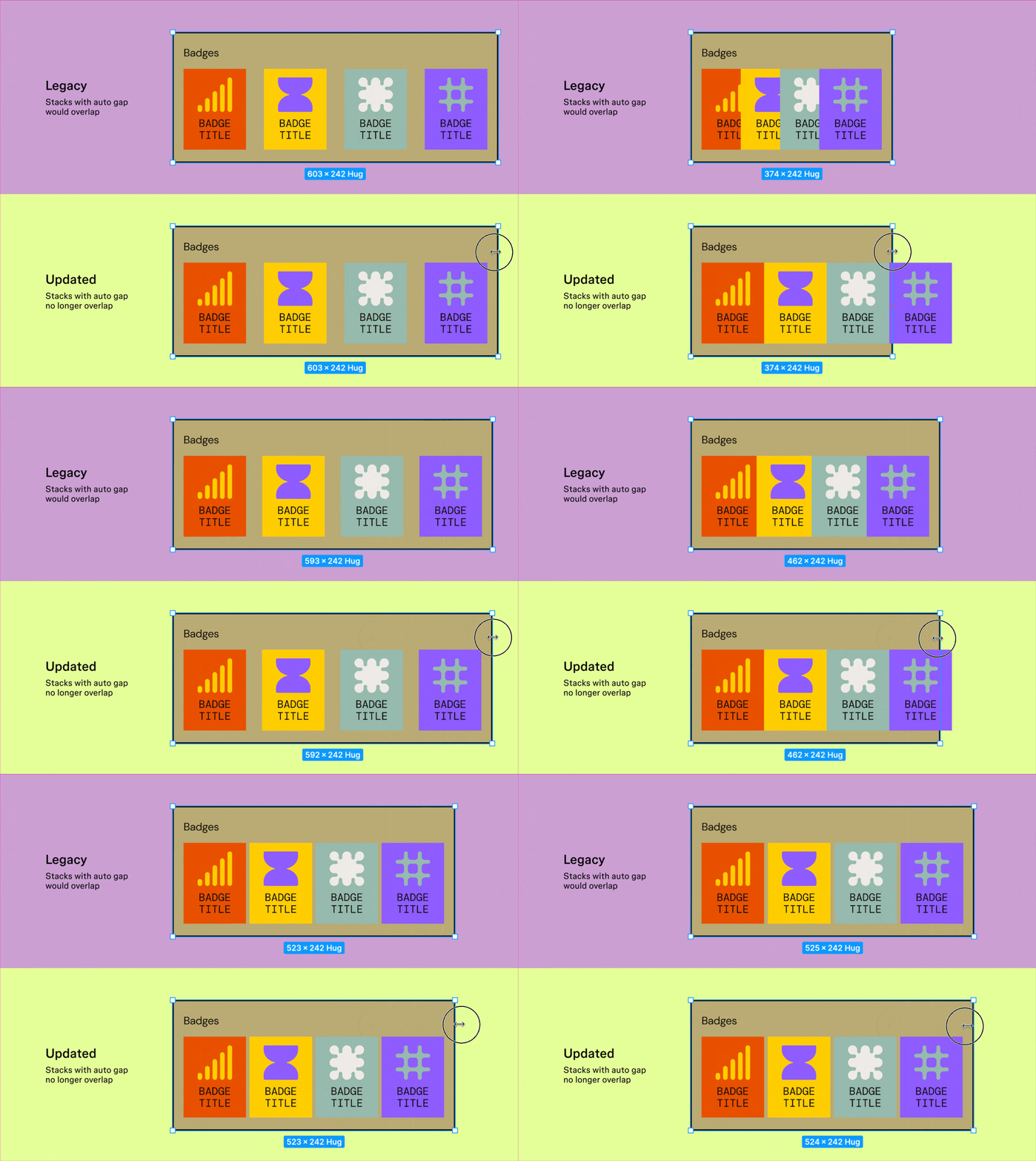
Figma updated auto layout to match how CSS flexbox actually behaves, closing gaps that used to force workarounds at handoff. Padding is now always fully respected, only inside strokes count toward layout, and a parent's stroke setting no longer bleeds into its children. Fill container children now split space based on content area instead of raw size, and auto gap stacks no longer overlap when things don't fit, they just collapse to the start instead. Existing frames stay on the legacy version unless you update them, and you can switch back and forth until January 2027.
Framer July Update
Framer's July update makes Agents noticeably more capable: page effects editing, A11Y layer attributes, richer overlays, CMS video, text shadows, draggable interactions, plus better handling of longer conversations and code changes. Two of the faster models, GPT 5.6 Terra and Luna, are also 50% off through August 14 if you want a reason to give Agents another look.

Rive updates
Some of the updates added in Rive this week:
- Data binding keyframes, right-click any keyframe to bind its value to a View Model property, so you can build one "template" timeline and fill each keyframe with different values.
- Opacity shortcuts, keys 1 through 0 now set selection opacity in 10% steps.
- The Agent/MCP tools can now show and hide layouts, and generate actual parametric shapes like rectangles, ellipses, and stars instead of freehand paths.
Plus, there's a batch of smaller fixes, including library artboards no longer disappearing on update and some SVG export fixes in the Cloud Renderer.

Midjourney 8.2
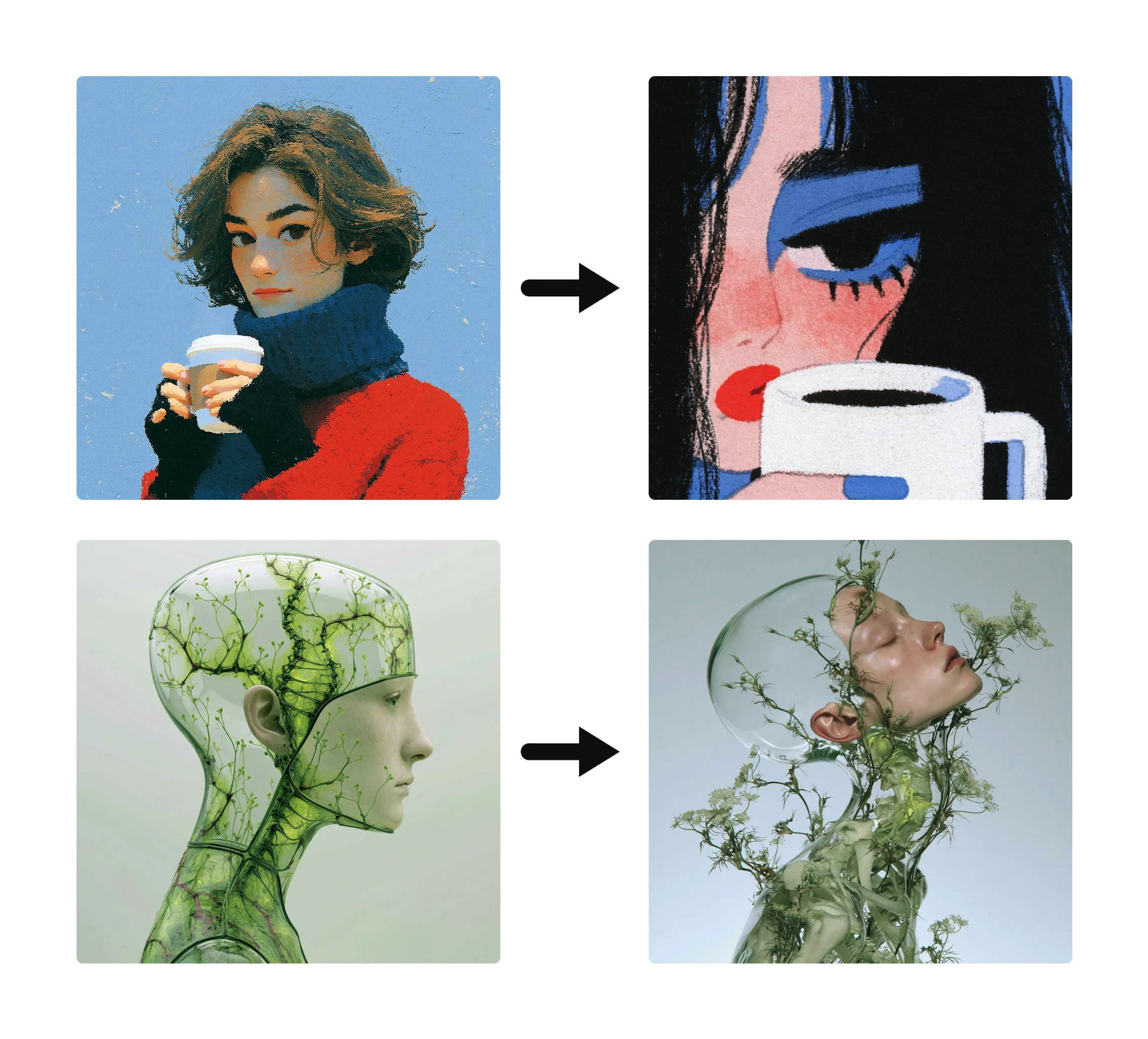
Midjourney released version 8.2, focused on aesthetics, quality, and personalization. Images should come out more creative and refined, low quality outputs should happen a lot less often, and personalization should understand your taste better, especially if you've rated a lot of images already. Worth trying both your old and new personalization profiles with this release.
Pen.dev browser
Pen.dev added a browser right inside the app, so you can open a website or a localhost and import it straight onto the canvas as editable frames, text, and images. You can import the whole page, a single element, or just a screenshot. Since it becomes real layers, your agent can extend it or take it in a new direction, and once you're happy you can tell it to implement, updating your live app without ever leaving pen.dev.
Paper Comments
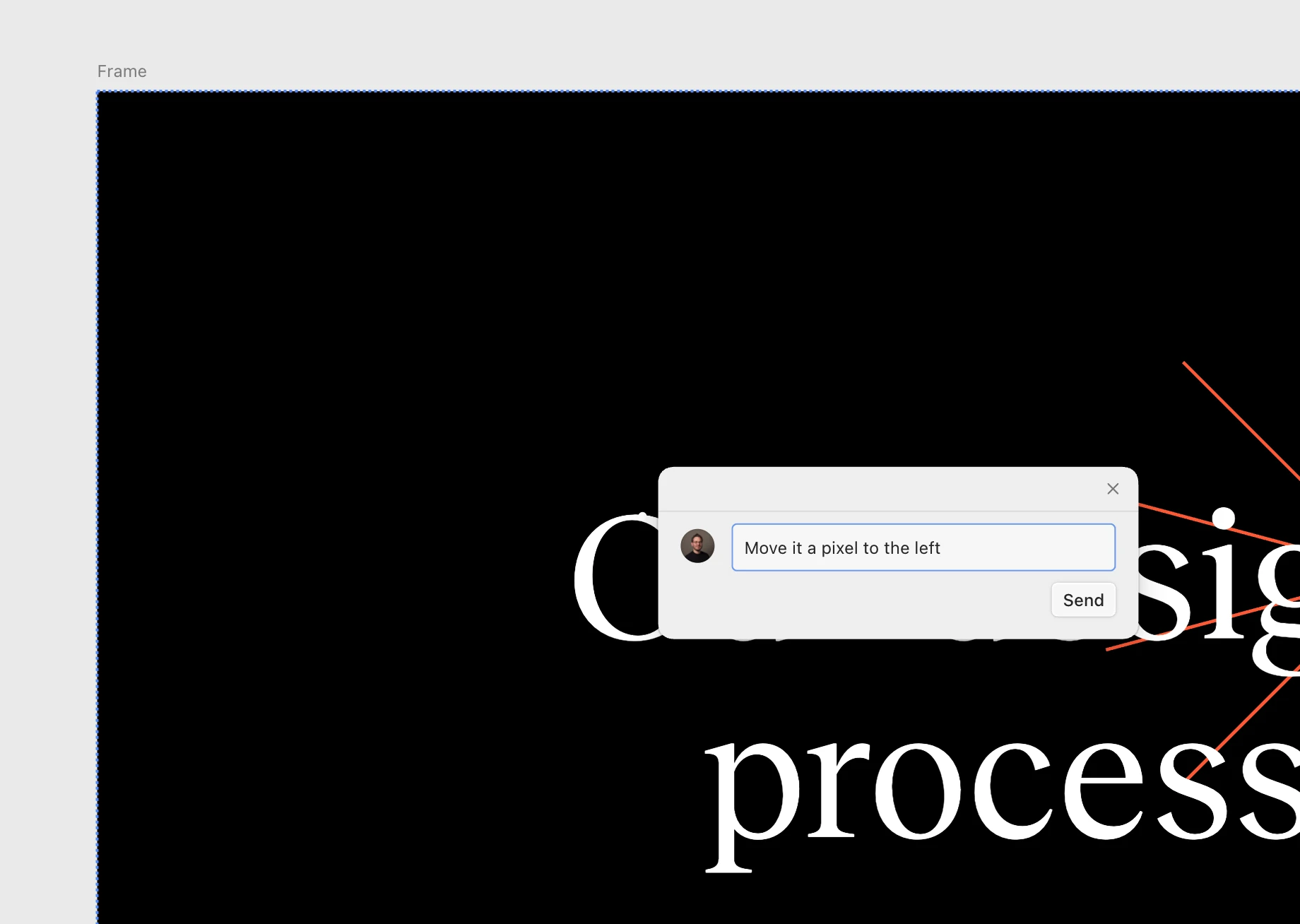
Paper soft launched Comments, so you can now leave feedback right on the canvas, even for your agent, and then ask it to address them.
Dive Club: Designing the internet computer
Dive Club sat down with Charlie Deets, who designed Safari and Arc, and now works on Dia at The Browser Company. They go over his personal design principles, how to protect your "special sauce" as a designer, what makes Apple's decision culture unique, and why he's spending more time in Figma and less time prototyping with AI lately.